Mahjong: A Timeless Game of Strategy and Skill
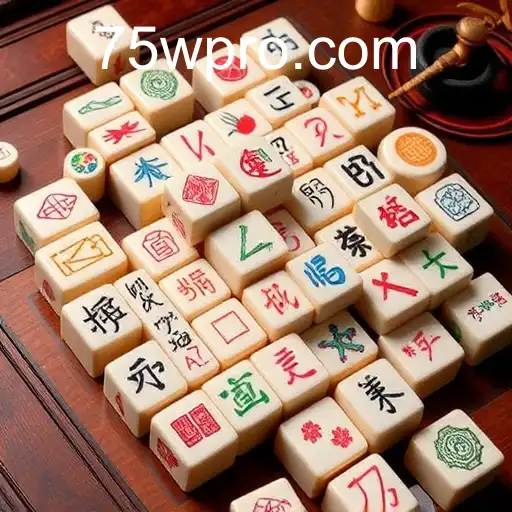
Understanding Mahjong: A Classic Game of Strategy and Skill
Introduction to Mahjong
Mahjong is a traditional Chinese game that has captivated players worldwide with its complexity and depth. Originating during the Qing dynasty, this game has evolved to become not only a pastime but an integral part of Chinese culture. Today, it is enjoyed across the globe, both in its original form and through various adaptations. As technology and culture continue to evolve, so does the game of Mahjong, weaving itself into modern trends such as 75W and appealing to a new generation of enthusiasts.
POPMELThe Basics of Mahjong
17 BRAt its core, Mahjong is played with a set of 144 tiles based on Chinese characters and symbols. The game is often played by four players, although variations exist for three players as well. The primary objective is to form specific combinations of tiles called ‘melds’ and to create a complete hand, known as a ‘Mahjong’, before your opponents. Each player begins with 13 tiles, and on their turn, they draw and discard tiles in pursuit of the perfect hand. The overarching goal is to score points by assembling the highest value combinations and ultimately declaring victory by completing a winning hand.
Rules and Gameplay
Mahjong is a game that blends strategy with a touch of luck. The game starts with the shuffling of 144 tiles, which are stacked into a wall. After the dealers are chosen, each player draws 13 tiles, with the dealer drawing a 14th tile to form their initial hand. The dealer discards one tile to start the game. Players then take turns in a counterclockwise manner, drawing and discarding tiles to improve their hands.89VIP
72EKey to mastering Mahjong is understanding the different kinds of melds: ‘Pong’, a set of three identical tiles; ‘Chow’, a sequence of three consecutive numbers in the same suit; and ‘Kong’, a set of four identical tiles. Jokers may also be used in some variations to substitute for specific tiles. A winning hand typically consists of four melds and a pair, which is two identical tiles.
The Role of 75W in Mahjong
The emergence of 75W has introduced a new perspective in the world of games, and Mahjong is no exception. With its focus on innovation and energy efficiency, 75W highlights the transformative direction of traditional games in the digital era. This intersection of classical gaming and technological advancement allows enthusiasts to engage in Mahjong with an emphasis on sustainability and modern flair. By incorporating 75W principles, developers are now able to create engaging Mahjong mobile apps and online platforms that offer an enriched gaming experience while being environmentally conscious.
Global Impact and Current Trends
As the global landscape for board and tile games continues to shift, Mahjong remains a prominent fixture on both casual and professional levels. In recent years, international tournaments have gained popularity, drawing participants from different cultures who come to showcase their strategic prowess. Moreover, Mahjong has been embraced as an educational tool, cultivating cognitive skills such as memory, attention, and strategic thinking.
The fusion of Mahjong with digital platforms has expanded its reach significantly. Online communities serve as vibrant hubs for seasoned players and novices alike to discuss strategies, share tips, and organize online tournaments. Social media platforms and streaming services have amplified this trend, providing players with avenues to demonstrate their skills to a broader audience.
How to Start Playing Mahjong
Beginners looking to delve into Mahjong should start by familiarizing themselves with basic tile translations and rules. Joining a local Mahjong club can be a valuable step, offering insights and fostering skills in a community setting. Online resources, including video tutorials and dedicated forums, provide accessible ways to learn and practice Mahjong tactics. Mobile applications also serve as great platforms for learning and playing Mahjong anytime, anywhere.
The Cultural Significance of Mahjong
Mahjong’s cultural significance in Chinese society cannot be overstated. It is a symbol of family bonding, often played during holidays and special occasions. Beyond recreation, Mahjong serves as a social tool for interaction, strengthening family ties and friendships. Festivals and community events featuring Mahjong are commonplace in many societies, reflecting its enduring appeal and cultural importance.
Conclusion: Embracing Mahjong in the Modern Era
35TIn the continuous evolution of gaming culture, Mahjong stands as a testament to the balance between tradition and innovation. Its integration with current trends like 75W ensures that it remains relevant and exciting for new generations. Whether played in its classical form or through contemporary digital adaptations, Mahjong continues to challenge and delight players worldwide. As we embrace this fusion of the past and present, the rich legacy of Mahjong is sure to endure, inspiring the minds and hearts of players for decades to come.
